US CPI Hits 3-Year High in April, Nasdaq Tech Stocks Lead Selloff
April inflation data showing a multi-year peak in consumer prices is rattling equity markets, with rate-sensitive technology shares bearing the brunt of the selling pressure.
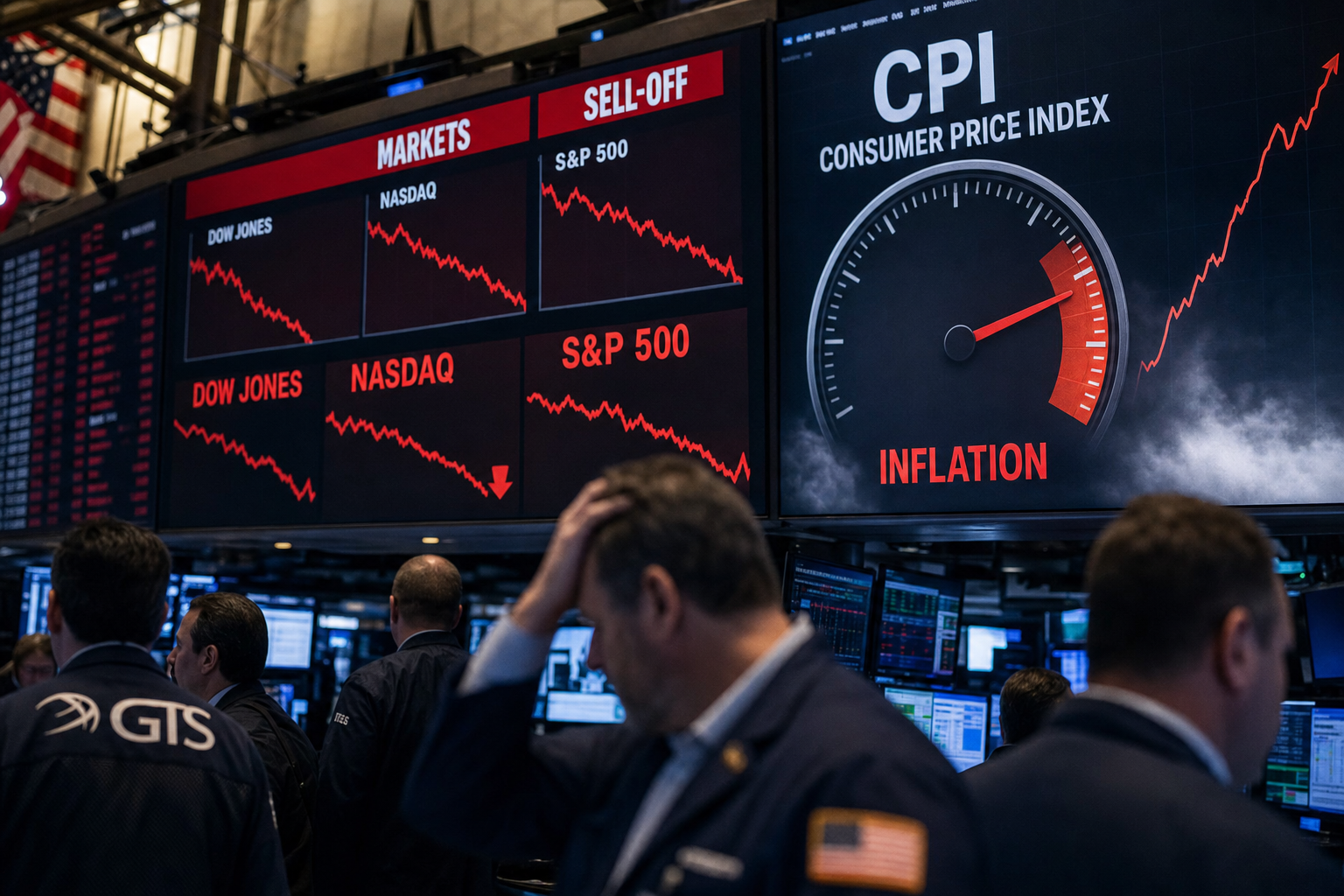
US Inflation Surges to Three-Year High in April
US consumer prices climbed to a three-year high in April, according to the latest Consumer Price Index data, as persistent increases across energy, housing, and food categories drove inflation materially above recent trends and sent shockwaves through equity markets.
The print has triggered an immediate risk-off response across major indices, with the Nasdaq Composite leading declines as investors rapidly repriced the likelihood of near-term Federal Reserve rate cuts.
What Drove the April CPI Surge
The three primary contributors to April's elevated reading were:
- Energy prices, which have rebounded from earlier lows and are adding measurable upward pressure to the headline figure
- Housing costs, including owners' equivalent rent, which have remained stubbornly elevated and continue to resist the disinflation trend seen in other categories
- Food prices, which accelerated in April and compounded the broader inflationary picture for consumers
The combination of these three categories — each representing a significant share of household expenditure — suggests the inflation overshoot is broad-based rather than concentrated in a single volatile component.
Market Reaction: Tech Stocks Under Pressure
The Nasdaq's outsized decline relative to other major indices reflects the index's heavy weighting toward long-duration growth stocks, which are particularly sensitive to interest rate expectations. When inflation data surprises to the upside, the market's implied path for Federal Reserve policy shifts hawkishly, compressing the present value of future earnings — a dynamic that disproportionately punishes high-multiple technology names.
Rate-sensitive sectors including utilities and real estate investment trusts are also under pressure, while financials have shown relative resilience as higher-for-longer rate expectations can support net interest margins for banks.
Treasury yields moved sharply higher on the print, with the 2-year yield — the most direct proxy for Fed policy expectations — rising as traders unwound positions that had been positioned for imminent monetary easing.
Federal Reserve Implications
The April CPI report materially complicates the Federal Reserve's path toward rate normalization. Fed officials have consistently emphasized their data-dependent approach, and a reading that pushes inflation to a three-year high provides little justification for cutting the federal funds rate in the near term.
Fed funds futures markets are expected to reflect a significant reduction in the probability of rate cuts at the June and July FOMC meetings following this data. The central bank's dual mandate — maximum employment alongside price stability — means policymakers must now weigh any labor market softening against an inflation backdrop that has moved in the wrong direction.
Broader Context
This print arrives at a particularly sensitive moment for markets, which had been pricing in a gradual return toward the Fed's 2% inflation target through the remainder of 2026. The April data challenges that narrative and raises questions about whether the disinflation trend that characterized much of 2024 and early 2025 has stalled or reversed.
For professional investors, the immediate focus will shift to the composition of the core CPI reading — which strips out food and energy — to determine whether the underlying inflation trend is genuinely re-accelerating or whether the headline surge is being amplified by transitory factors in the volatile components.
Fixed income markets, equity volatility indices, and the US dollar will remain in sharp focus as traders continue to digest the full implications of the report throughout the session.