S&P 500 and Nasdaq Close at Records as AI Earnings and Iran Optimism Converge
A three-week equity rally reached new highs Thursday as semiconductor earnings beat forecasts, oil prices fell on peace hopes, and a $13 billion infrastructure deal signaled the scale of AI capital deployment.
The Session
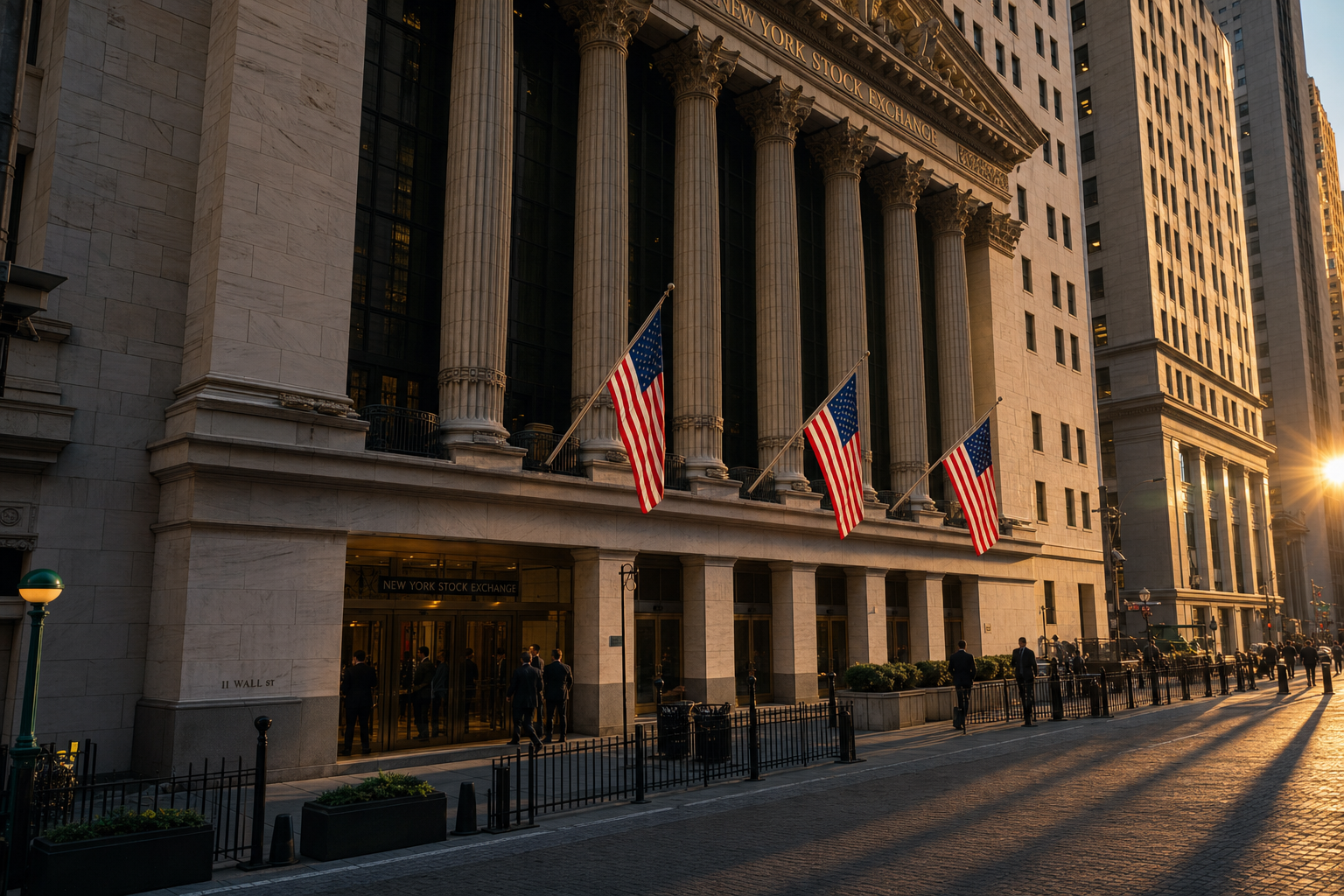
Thursday delivered the kind of session that makes bears reconsider their thesis. The S&P 500 and Nasdaq both closed at record highs, extending a rally that has now run for roughly three weeks without a meaningful pullback. The Dow Jones Industrial Average participated in the advance. Semiconductor stocks, AI infrastructure names, and energy majors each contributed to a broad-based move that carried indices into uncharted territory.
The day's gains did not rest on a single catalyst. Instead, three distinct forces converged: corporate earnings that materially exceeded expectations, falling crude oil prices tied to diplomatic progress on the U.S.-Iran conflict, and continued evidence that AI-linked capital spending is translating into real revenue growth across the technology supply chain.
Winners: Chips, Cloud, and Energy
AMD was among the session's standout performers after Goldman Sachs nearly doubled its price target to $450 from $240 and upgraded its rating to Buy from Neutral. The magnitude of that revision — an 87% increase — is unusual even in a busy earnings season and signals a significant reassessment of AMD's competitive position in the AI chip market, where it competes with NVDA for data center GPU business.
DDOG surged 23.8% after reporting first-quarter revenue of $1.01 billion, a 32.2% year-on-year increase that beat analyst expectations. The company also issued positive guidance for the following quarter. The move reflects a pattern that has repeated across high-growth software names this season: when a company with a valuation anchored to future revenue expectations delivers a clean beat with raised guidance, the market reaction tends to be outsized.
In energy, SHEL reported adjusted Q1 net income of $6.92 billion, topping analyst forecasts by a meaningful margin. The outperformance came primarily from Shell's trading division, which capitalized on oil and gas price volatility stemming from the Iran war. Energy trading units profit from price dislocations — the wider the swings, the larger the opportunity. Shell also raised its dividend by 5%, signaling management confidence in near-term cash generation. The results underscore a pattern across Q1 energy reporting: integrated majors with large trading operations have consistently outperformed expectations, even as headline crude prices have softened.
Elsewhere, META is arranging a $13 billion financing deal — led by Morgan Stanley and JPM — for a new data center in El Paso, Texas. The transaction is one of the largest private infrastructure financings in recent memory and illustrates the scale of capital being committed to AI compute buildout by the largest technology platforms. Goldman Sachs has META rated a strong buy.
Losers and Divergences
Not every name participated. SNAP reported a disappointing quarter, with its stock falling sharply and analysts issuing strong sell recommendations. The result highlights the increasingly bifurcated nature of the technology sector: platforms with a clear AI monetization story or infrastructure angle have surged, while those facing structural competitive pressure from META, GOOG, and TikTok have been left behind.
Goldman Sachs also flagged a structural concern worth monitoring. The bank cautioned that outsized results from AMZN and GOOGL — two of the S&P 500's largest constituents by market capitalization — may be masking weaker performance across the broader index. Because aggregate earnings are market-cap weighted, a handful of mega-cap beats can flatter the headline number while the median company lags. That caveat does not invalidate the rally, but it does suggest investors should look through index-level earnings growth with some skepticism.
On the AI corporate landscape, Elon Musk is reportedly dissolving xAI and folding its operations into SpaceX, which is preparing for an IPO that could raise up to $75 billion. Whether the move represents strategic consolidation ahead of the listing or a scaling back of Musk's AI ambitions remains unclear from available reporting. At the scale being discussed, the SpaceX IPO would be a significant event for both public equity and venture capital markets.
Under the Surface: Dimon's Warning and the Bond Market
The session's most important counterpoint came not from a price chart but from a boardroom. JPMorgan CEO Jamie Dimon renewed his warning about the trajectory of government borrowing, saying the buildup of sovereign debt raises the risk of "some kind of bond crisis." Dimon's concern is that bond markets — where governments sell debt to investors — could eventually demand sharply higher yields to compensate for the perceived risk of holding large volumes of government paper. When yields rise sharply, borrowing costs increase across the entire economy, tightening financial conditions for mortgages, corporate loans, and public spending simultaneously.
Dimon has raised similar concerns before, but the message lands with added weight when equity markets are simultaneously printing record highs. The juxtaposition is stark: risk assets are pricing in a benign future while the CEO of the world's largest Treasury dealer is warning that the fiscal foundation beneath that optimism is fragile. Treasury yields did not move dramatically on Thursday, but the warning is a signal worth tracking as deficits in major economies remain elevated.
Tomorrow's Setup
The primary variable heading into Friday is the U.S.-Iran diplomatic track. Peace hopes have been a meaningful driver of both equity optimism and the oil price retreat that has added a macro tailwind to the rally. Any deterioration in that backdrop — or a failure of negotiations to produce concrete progress — could quickly alter the market's tone, particularly for energy names and the broader risk-on sentiment.
Watch Treasury yields as a secondary signal. If Dimon's bond market concern begins to attract broader attention, a move higher in long-end rates would be the first visible symptom. The 10-year yield has not yet shown signs of distress, but the combination of record equity highs, elevated fiscal deficits, and a senior banker's public warning creates a setup worth monitoring closely.
Earnings season continues to be the dominant fundamental driver. Goldman's note on mega-cap distortion suggests the quality of results from mid- and small-cap names will matter more than usual in coming sessions. SNAP's miss is a reminder that the AI trade has not lifted all boats — and that the market is still capable of punishing companies that disappoint.