OpenAI Files for $1 Trillion IPO as GSK Bets $10.6B on Cancer
A landmark AI public offering and a major pharma deal headline a session already complicated by an oil shock hitting India and fresh Pentagon pressure on Chinese tech giants.
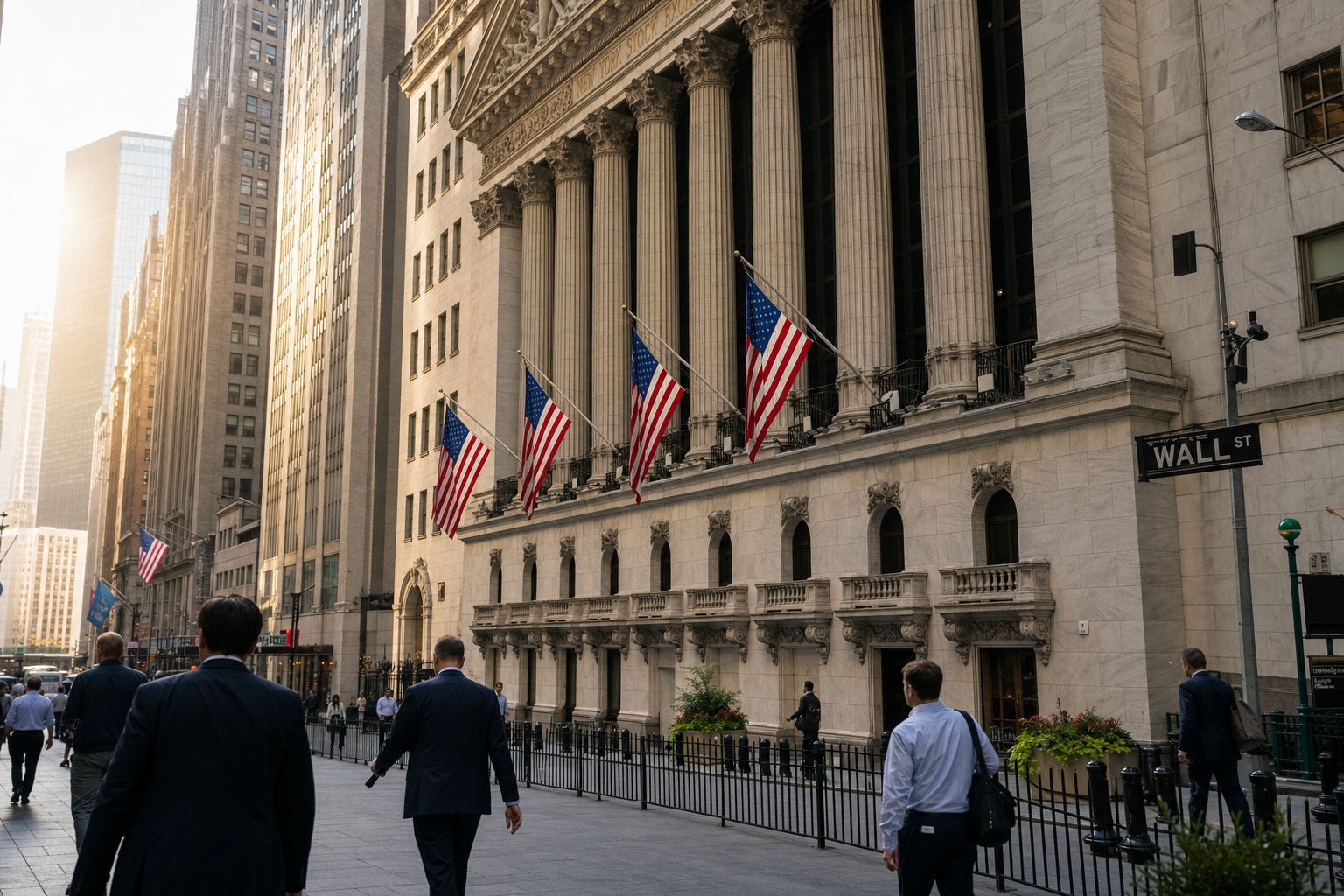
The Overnight Picture
Tuesday's session is opening with the kind of news density that makes prioritization genuinely difficult. The headline is OpenAI's confidential IPO filing — a formal step toward what could be a September public debut at a valuation of up to $1 trillion. That number alone would place it among the most valuable companies ever to list on a U.S. exchange. Pre-market sentiment is broadly constructive, with the AI trade and a risk-on backdrop from earlier in the session providing lift across technology names.
GSK (GSK) is separately commanding attention after confirming a $10.6 billion acquisition of cancer biotech Nuvalent — the British drugmaker's largest deal in roughly eight years. The deal closed the gap on earlier reports that had cited a figure above $9 billion, and the confirmed price underscores just how aggressively large-cap pharma is bidding for late-stage oncology assets right now.
In macro markets, the Indian rupee is under pressure from what analysts are describing as the worst oil supply disruption on record. That story is moving currencies and shading emerging-market growth forecasts in ways that deserve more attention than a single equity-focused morning tends to give them.
Today's Key Themes
Theme 1: The OpenAI IPO and what it prices for the AI sector
A confidential filing — the process by which a company submits draft registration documents to the SEC before going public — does not yet reveal revenue figures, share structure, or use of proceeds. But the act of filing is itself a market signal. OpenAI is formally entering the public-market pipeline at a moment when investor appetite for AI-related assets is running hot. A $1 trillion target valuation would set a pricing benchmark that every other AI-native company considering a listing will be measured against. The filing also intensifies scrutiny of OpenAI's governance structure — the company transitioned from a nonprofit to a for-profit entity — and its competitive positioning against Google DeepMind and Anthropic, which recently closed a $35 billion financing package from Apollo Global Management and Blackstone. Watch how institutional investors respond to the filing's eventual public disclosure: the gap between a $1 trillion target and where the market actually clears will be one of the year's defining data points for the AI trade.
Theme 2: Pharma's oncology arms race accelerates
GSK's acquisition of Nuvalent is the latest and largest move in a sustained wave of pharmaceutical M&A targeting precision oncology — treatments designed to attack specific genetic mutations in tumors. GSK had previously wound down parts of its cancer research operation, making this a strategic reversal as much as a deal. Nuvalent's pipeline centers on targeted lung cancer therapies, a high-commercial-interest area where rivals have been spending aggressively. For GSK shareholders, the question is whether $10.6 billion buys enough pipeline depth to compete with peers who have been building oncology portfolios through similar acquisitions for years. The deal is also a data point for the broader biotech M&A environment: premium valuations are being paid, and sellers have leverage.
Theme 3: Geopolitical friction tightens around Chinese tech
The Pentagon's addition of Alibaba (BABA), Baidu (BIDU), and BYD to its Section 1260H list — the formal designation for China military-linked companies — takes effect later this month. The designation bars direct Defense Department contracts, but its practical reach extends further: U.S. defense contractors with supply-chain exposure to any of the three firms now face heightened compliance scrutiny. For BABA and BIDU, which carry significant institutional ownership among U.S. investors, the reputational and regulatory overhang adds to an already complicated investment case. BYD's inclusion is notable given its primarily consumer-facing business, and suggests the Pentagon's criteria are being applied more broadly than some market participants anticipated.
The Calendar
There are no major Federal Reserve speakers or scheduled U.S. economic data releases that the source material flags for today. The dominant market-moving events are deal-driven and regulatory rather than data-driven. Investors should monitor any SEC acknowledgment of OpenAI's confidential filing, and watch for formal regulatory review timelines on the GSK-Nuvalent transaction — given the deal's size, antitrust review in both the U.S. and UK is a reasonable expectation.
TSLA is also in focus after gaining 5.5% on the launch of its unsupervised robotaxi service in Austin — meaning vehicles operating without a human safety driver present — combined with a JPMorgan upgrade. The Austin deployment is now live, making utilization data, safety records, and any regulatory response the next set of catalysts for the stock.
Watch List
OpenAI IPO mechanics: Watch for any SEC correspondence or public filing details that emerge from the confidential registration process. The timeline from confidential filing to roadshow is typically several months, making a September debut aggressive but not impossible. Any leak of revenue or margin data will move the broader AI trade.
Indian rupee and current account data: India is one of the world's most oil-dependent large emerging markets, and the feedback loop between high crude prices, a widening current account deficit, and a weakening rupee is now active. Watch INR levels and any Reserve Bank of India intervention signals as a proxy for how badly the oil shock is transmitting into fiscal and monetary stress.
BABA and BIDU price action: The Pentagon blacklist designation takes effect later this month. Watch whether institutional holders begin reducing exposure ahead of the effective date, and whether the move triggers any formal guidance from compliance teams at major U.S. asset managers.
GSK deal premium: The confirmed $10.6 billion price for Nuvalent — up from the $9 billion figure in earlier reports — suggests competitive bidding or a strengthened negotiating position for the target. Watch for any competing bid or shareholder pushback on the premium, and track how GSK's share price reacts as investors assess the strategic rationale against the capital outlay.
TSLA Austin data: The robotaxi launch is live, but the bull case depends on scalability. Regulatory filings, incident reports, and any public ridership data from Austin will shape how quickly the market is willing to price in broader rollout.