Hormuz Shutdown and Fed Fears Combine to Pressure Markets at Midday
A near-total halt in Strait of Hormuz tanker traffic and renewed Federal Reserve rate-hike speculation are hitting equities and commodities simultaneously, creating one of the more complex risk-off sessions of 2026.
The Morning Session: Worse Than Feared
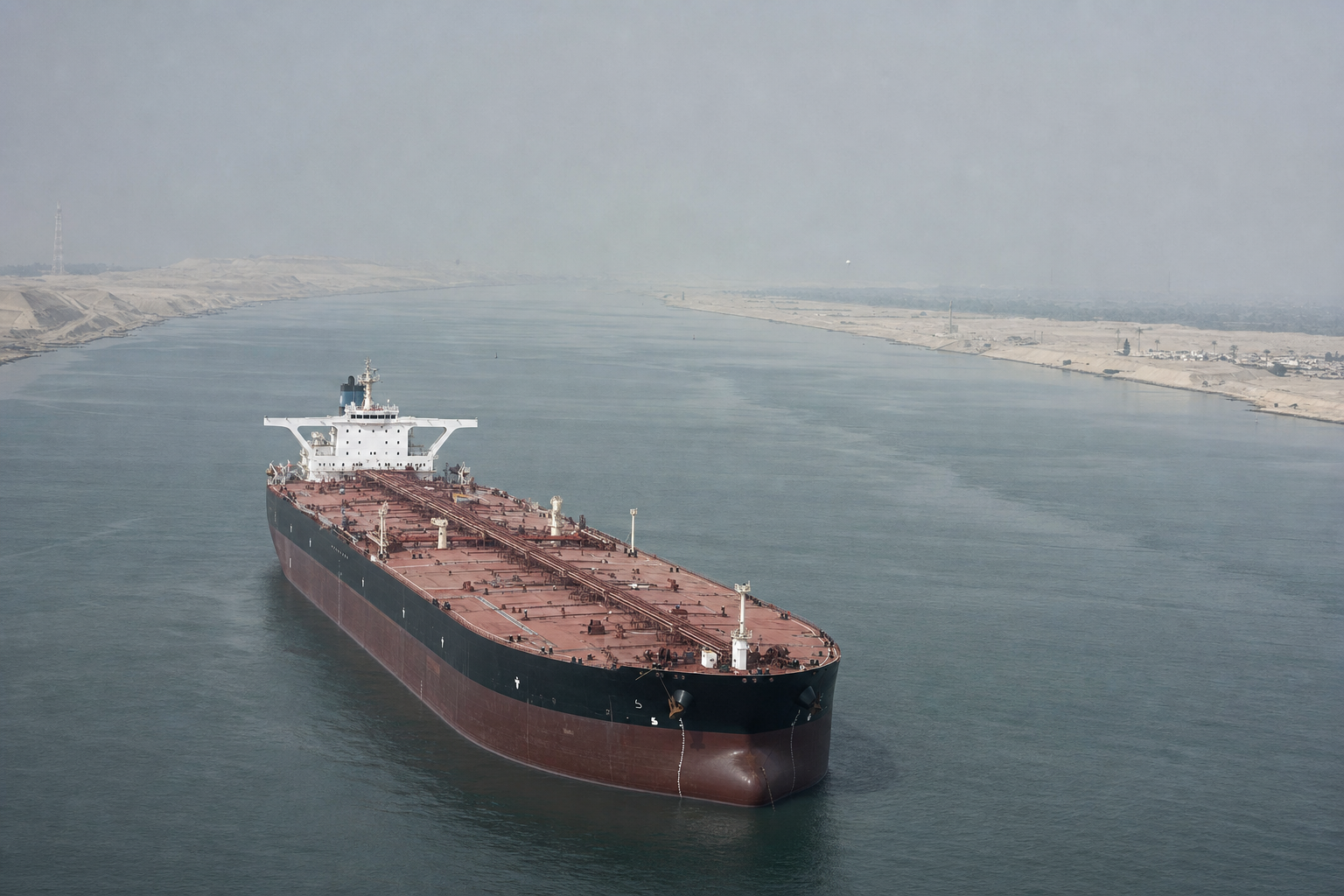
Thursday's trading session opened with two macro headwinds already in place, and the morning only reinforced both. The Strait of Hormuz — the narrow Persian Gulf chokepoint through which roughly a fifth of the world's seaborne crude oil and liquefied natural gas transits — has seen tanker traffic fall to near zero following a fresh escalation between the United States and Iran. Reports indicate only one tanker was observed moving in the area. That figure, in normal conditions, would be measured in dozens.
Goldman Sachs issued a formal warning on global oil supply disruption risk, a striking reversal from its earlier 2026 forecast of an oversupplied market. When a bank of Goldman's standing flips its commodity outlook within a single news cycle, energy traders pay attention. The warning has injected a geopolitical risk premium into crude prices at a moment when markets had been positioned for demand softness, not supply shock.
Simultaneously, U.S. equities slid as investors repriced the Federal Reserve's rate path. The concern — that the Fed could raise its benchmark interest rate before year-end rather than cut it — has been building without a single catalytic statement from the central bank. No specific Fed official quote or data release appears to have triggered the move. Instead, the session reflects a broader reassessment: markets that had priced in easing are now hedging against tightening. Higher rates compress equity valuations by raising borrowing costs and making Treasury bonds more competitive relative to stocks.
The combination is a textbook risk-off setup. Energy supply uncertainty and tighter monetary policy expectations rarely arrive together, and when they do, the pressure on risk assets tends to be amplified.
The Session's Defining Moves
The most dramatic single-company event of the day came from AstraZeneca (AZN), which shed approximately $27 billion in market capitalization after its heart disease drug Wainua — developed jointly with Ionis Pharmaceuticals (IONS) — failed to outperform a placebo in a pivotal clinical trial. Wainua targeted ATTR-CM, a progressive condition in which abnormal protein deposits stiffen the heart muscle. A pivotal trial failure at this stage typically ends a drug's path to regulatory approval entirely, and the market's reaction was immediate and severe.
For AstraZeneca, the loss removes what had been a credible growth asset in the cardiometabolic space. For Ionis, which specializes in RNA-targeted medicines, the failure raises questions about pipeline depth. The scale of the AZN selloff — $27 billion in a single session — reflects how much investor expectation had been embedded in Wainua's prospects before today.
In technology, the picture was more mixed. Apple (AAPL) extended its chip supply agreement with Broadcom (AVGO) through 2031 in a deal expected to exceed $30 billion, lifting Broadcom's stock and cementing its position as a key custom silicon supplier. SpaceX joined the Nasdaq-100, a move that analysts estimate will force passive index funds to purchase approximately $4.3 billion in shares — mechanical demand that has nothing to do with the company's underlying business and everything to do with how index-tracking funds operate.
Apollo also began trading a $35 billion private credit package arranged for Broadcom and AI startup Anthropic, underscoring the scale of capital — both public and private — now flowing into AI infrastructure. These are not small deals, but they are being absorbed against a macro backdrop that is making investors broadly cautious about risk.
Where the Narrative Is Shifting
The morning brief flagged the Hormuz disruption and Fed fears as the twin drivers — and that read has held. What has sharpened since the open is the degree to which these two forces are reinforcing each other rather than trading off.
Higher oil prices, if sustained by a prolonged Hormuz disruption, are themselves inflationary. Inflation that stays elevated gives the Federal Reserve less room to cut rates and more reason to consider hikes. That feedback loop — energy supply shock feeding into inflation feeding into tighter monetary policy — is the scenario that tends to do the most damage to broad equity indices, because it pressures both the earnings outlook and the discount rate simultaneously.
Rackspace Technology (RXT) added a cautionary note on the AI trade specifically. The company slashed its fiscal 2026 revenue projections, sending shares down more than 10%, despite simultaneously announcing a partnership with Palantir Technologies (PLTR). The market's verdict was unambiguous: guidance cuts matter more than partnership announcements. For investors watching the AI infrastructure narrative, Rackspace is a reminder that proximity to high-profile AI names does not automatically translate into revenue delivery.
The Afternoon Setup
The key variable for the remainder of the session is the Hormuz situation. Any credible signal of diplomatic de-escalation — or conversely, any report of further military activity in the strait — could move crude prices sharply and reset the risk tone across asset classes. Oil's direction from here will also influence how seriously markets treat the inflation-into-Fed-hike feedback loop described above.
On the rates side, investors will be watching Treasury yields. If the 10-year continues to drift higher, that will confirm that the market is genuinely repricing Fed expectations rather than reacting to a single session's noise. Equity sectors most sensitive to that move — real estate, utilities, and long-duration growth stocks — are worth monitoring into the close.
The AZN story is largely priced in for today, but any statement from AstraZeneca's management on pipeline strategy or next steps could move the stock in after-hours. Ionis has not yet commented publicly either.
For the broader market, the afternoon session will test whether this is a one-day repricing or the beginning of a more sustained shift in risk appetite. The data that would settle that question — the next U.S. inflation print and labor market figures — is not due today. Until it arrives, the Hormuz headlines are the market's primary input.