Fed Hike Risk Meets Iran Deal Tailwind as Markets Seek Direction
A hawkish Fed debut and a surprise geopolitical breakthrough are pulling markets in opposite directions — and Thursday's session will test which force wins.
The Overnight Picture
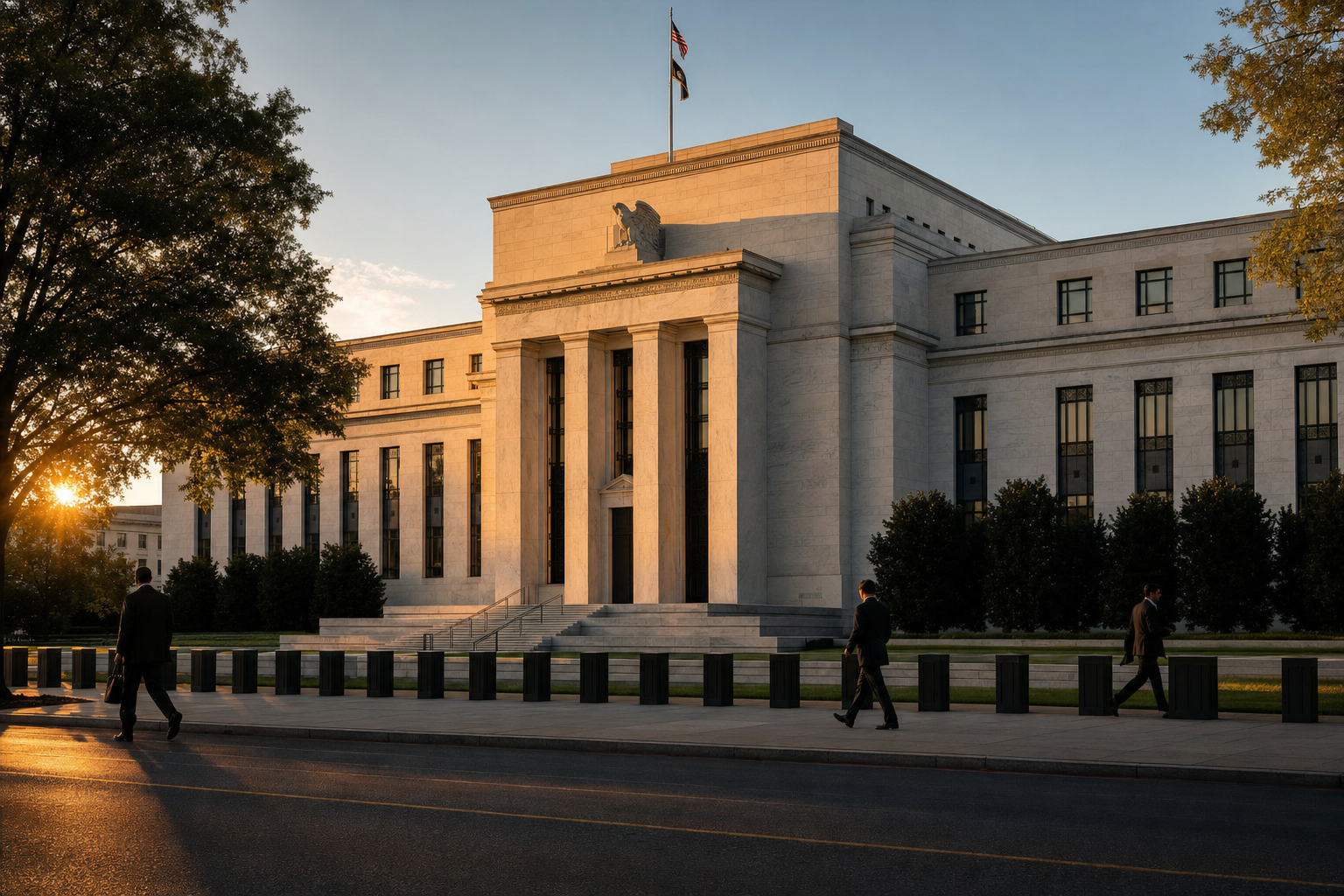
Wednesday's session closed on a sour note. Federal Reserve Chairman Kevin Warsh — Trump's pick to lead the central bank, widely expected to lean dovish — used his debut press conference to raise the possibility of interest rate increases. Major indices tracked by SPY, DIA, and QQQ closed meaningfully lower, with growth stocks and traditional software names bearing the sharpest losses.
By Thursday morning, the picture had shifted. Nasdaq and S&P 500 futures surged overnight after news broke of a U.S.-Iran peace agreement, easing geopolitical risk across energy markets and global trade routes. A separate announcement from President Trump — that Apple (AAPL) and Intel (INTC) will partner to design and manufacture chips on U.S. soil — added a second tailwind. Retail sentiment on broad market ETFs shifted to bullish, according to positioning data cited in overnight coverage.
The net result heading into Thursday's open: futures in recovery mode, but the fundamental question raised by Warsh's press conference remains unresolved.
Theme 1: The Fed Pivot That Wasn't
The defining event of Wednesday was the repricing of Fed expectations. Markets had positioned for an easing cycle under Warsh. Instead, his first press conference left investors confronting a scenario they had largely dismissed — rate hikes.
Goldman Sachs (GS) vice chairman Rob Kaplan sharpened the concern, stating the Fed may need to raise its benchmark rate as soon as September if inflation remains elevated. That timeline is aggressive. The federal funds rate — the benchmark borrowing cost that flows through mortgages, corporate loans, and equity discount rates — moving higher would pressure valuations across the board, particularly for growth stocks whose future earnings are most sensitive to the rate used to discount them.
The selloff was broad but uneven. Adobe (ADBE), Salesforce (CRM), and The Trade Desk (TTD) each touched 52-week lows Wednesday, while AI infrastructure names including Rackspace Technology (RXT), Nebius Group (NBIS), and Arm Holdings (ARM) surged to 52-week highs. The AI trade is becoming increasingly selective — capital is flowing toward infrastructure enablers and away from traditional software platforms facing questions about their ability to adapt.
Emerging-market currencies also absorbed the shock. The Indian rupee is expected to weaken as a stronger dollar — the typical consequence of a hawkish Fed — draws capital back toward dollar-denominated assets.
Theme 2: Geopolitical Relief and the Semiconductor Reshaping
The U.S.-Iran peace agreement is doing real work in overnight markets. The deal eases supply-risk premiums embedded in crude prices by reopening key energy shipping routes, including the Strait of Hormuz — through which a significant share of global seaborne oil passes. Lower oil-price volatility benefits Exxon Mobil (XOM), ConocoPhillips (COP), and EOG Resources (EOG) by providing a more predictable planning environment, even if it compresses some of the price realizations that drive free cash flow.
For equity markets broadly, geopolitical de-escalation removes a risk premium that had been weighing on sentiment. The futures rebound suggests investors are willing, at least for now, to treat the Iran deal as a meaningful positive — though whether it holds will depend on incoming economic data and any further Fed communication.
The Apple-Intel announcement adds a separate but significant layer. Trump's declaration that AAPL and INTC will design and produce chips domestically represents a potential structural shift for Apple, which has long relied on Taiwan Semiconductor Manufacturing Company (TSM) for production. Intel shares rallied sharply on the news. Apple CEO Tim Cook has separately warned that product price hikes are unavoidable due to surging memory-chip costs — a signal that supply-chain pressures are feeding directly into consumer prices, which is precisely the kind of inflation data the Fed is watching.
Samsung Electronics is drawing increased customer interest as an alternative to TSMC's tightening capacity, while Nvidia (NVDA) and Micron (MU) are navigating surging AI-driven demand heading into Q2 earnings season.
Theme 3: Earnings as a Counterweight
The macro headwinds from the Fed have a potential offset: corporate profit growth. Nvidia and Micron stand out as the primary expected drivers of S&P 500 earnings expansion in Q2, according to Zacks analysis. The Technology sector is projected to carry a disproportionate share of index-wide profit growth, with semiconductor names at the center of that story.
Nvidia's dominance in AI accelerator chips and Micron's exposure to memory demand tied to data center buildouts position both as bellwethers for the broader AI infrastructure cycle. Strong earnings per share growth can support equity valuations even in a higher-rate environment — but the balance between the two forces will be tested as results arrive over coming weeks.
Nomura Holdings (NMR) offered a constructive data point from outside the U.S.: the Japanese brokerage reported wholesale revenue — trading and investment banking — running approximately 30% higher, driven by equity products. Strong capital-markets activity at major financial institutions has been a recurring theme this cycle.
The Calendar
No major scheduled U.S. economic releases or Fed speaker appearances are confirmed in Thursday's source material. The primary catalysts are therefore event-driven: any official follow-up from the Fed clarifying Warsh's rate-path signals, and any confirmation from Apple or Intel on the details of their announced chip partnership.
Tesla's (TSLA) Q2 delivery report is expected in early July. At least one analyst projects approximately 420,000 deliveries, above the consensus of around 400,000 units — a potential positive catalyst for EV sentiment when it arrives.
Watch List
Fed communication is the highest-priority variable. If any Fed officials speak Thursday and either reinforce or walk back Warsh's rate-hike signal, markets will react sharply. The September timeline cited by Goldman's Kaplan is the specific claim to watch for confirmation or denial.
Crude oil deserves attention after the Iran deal. Brent and WTI both fell on the ceasefire news, but the durability of the price move depends on whether the diplomatic agreement holds and whether OPEC+ adjusts supply expectations in response.
In semiconductors, watch INTC for any official statement on the Apple partnership, and TSM for any reaction to the potential diversification of Apple's manufacturing base. NVDA and MU remain the key earnings-season proxies for AI infrastructure demand.
Finally, the broader market internals — specifically whether the overnight futures recovery translates into sustained buying or fades as the session progresses — will reveal how much weight investors are actually placing on the Iran deal versus the Fed repricing that drove Wednesday's selloff.