Chip Stocks Crater on Samsung Miss as SpaceX Euphoria Splits the Market
A single Samsung earnings report fractured the semiconductor sector while SpaceX's record IPO debut reminded markets that not all tech is created equal.
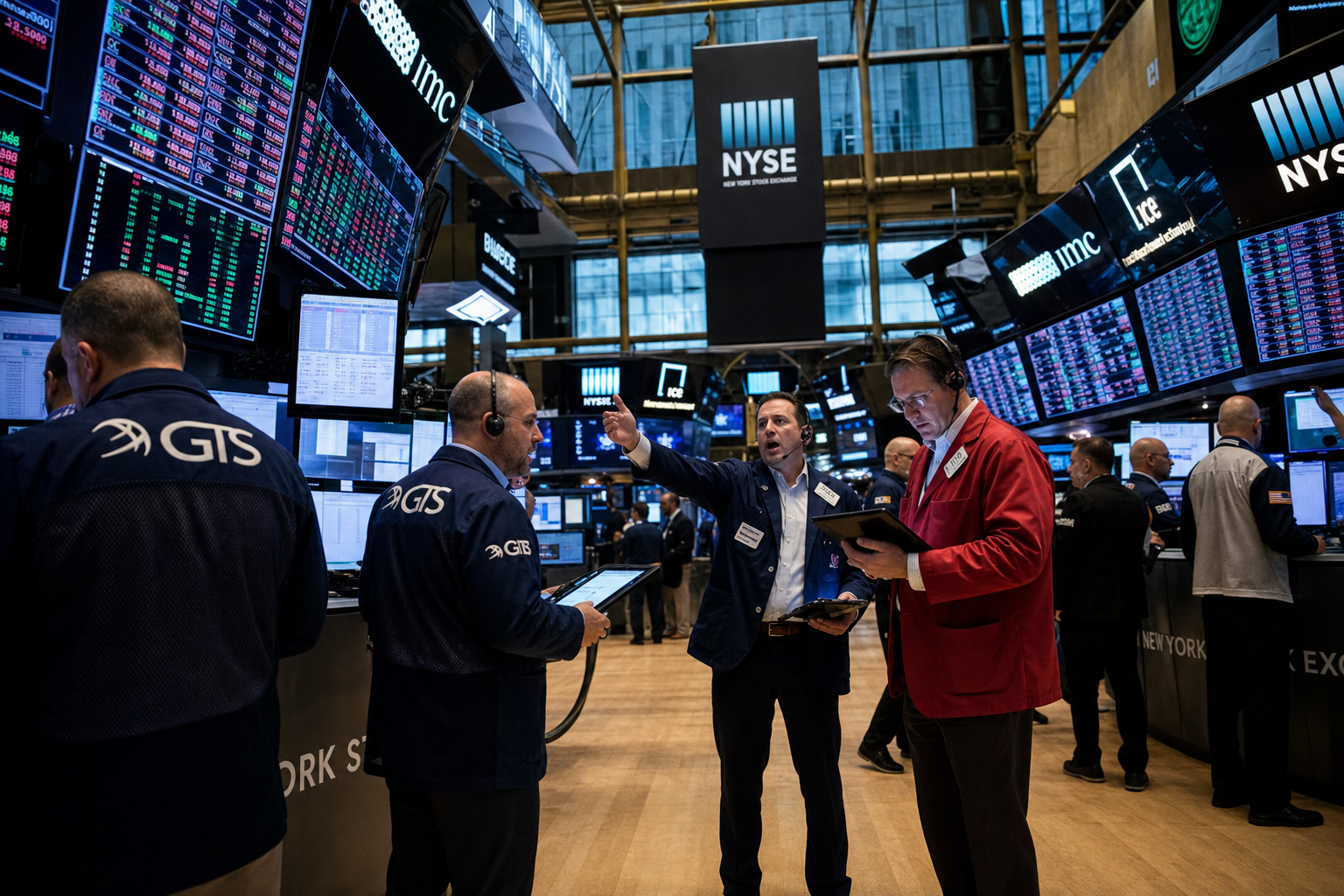
A Market Split in Two
By midday Tuesday, the market had drawn a clear line between its winners and its wounded. On one side: SpaceX's historic public debut, surging on its first day of trading after a $75 billion IPO. On the other: Intel (INTC), AMD, and Applied Materials (AMAT), each down sharply after Samsung's quarterly results landed well below investor expectations. The S&P 500 and Nasdaq are absorbing the collision of these two forces in real time.
The morning session's narrative — that AI enthusiasm would carry the broader technology sector — ran directly into the reality that semiconductor demand is not a monolith. Samsung's miss drew a hard distinction between companies benefiting from AI infrastructure spending and those exposed to the cyclical pressures of memory chip pricing and manufacturing volumes.
The Samsung Shockwave
Samsung Electronics functions as a canary for the global chip industry. It manufactures memory chips at scale, serves as a foundry for advanced processors, and supplies components across the consumer electronics, data center, and automotive supply chains. When its results disappoint, the reverberations are rarely contained.
Today they were not. INTC and AMAT each fell roughly 10% in the morning session. AMD dropped around 8%. The breadth of the selloff — spanning chip designers, manufacturers, and equipment suppliers — signals that investors are not treating this as a Samsung-specific problem. Applied Materials is particularly telling: the company makes the equipment chipmakers use to build fabs, and a sharp decline in its shares suggests the market is questioning near-term capital expenditure plans across the sector.
The selloff arrives after an extended run higher for semiconductor stocks, fueled by AI-driven demand projections. Whether Samsung's results represent a demand air pocket or a more durable reset in chip pricing is the question that will dominate sector analysis for the rest of this earnings cycle.
SpaceX's First Day
The contrast with SpaceX — trading under the ticker SPCX — could hardly be more pronounced. Shares climbed on the company's first day as a public company following what sources describe as a $75 billion IPO, a transaction that would rank among the largest initial public offerings ever completed. The listing gives institutional and retail investors direct exposure to the commercial space and satellite internet business that had previously been accessible only through private markets.
The debut has also kept Tesla (TSLA) in focus. RBC Capital raised its price target on TSLA to $500, citing unconfirmed media speculation about a potential Tesla-SpaceX merger. Neither company has confirmed any such discussions. Still, the proximity of the two Elon Musk-led enterprises — and the scale of capital now flowing into SpaceX as a public entity — has made the merger narrative difficult for markets to ignore entirely.
For now, SpaceX's strong open represents a genuine vote of confidence in the commercial space sector's long-term economics, independent of any merger speculation.
Banks Prepare for Their Close-Up
With the chip sector absorbing pain and SpaceX capturing headlines, the financial sector is quietly positioning for what could be its strongest earnings season in several quarters. BofA Securities issued a broadly optimistic preview, predicting that JPMorgan Chase (JPM), Citigroup (C), and Wells Fargo (WFC) are likely to beat consensus Q2 estimates when they report later this week.
JPMorgan added momentum to that view by announcing a 10% increase in its quarterly dividend alongside a $50 billion share repurchase authorization. The buyback alone is substantial — reducing shares outstanding boosts earnings per share and signals management's conviction that the stock is undervalued. One analyst note suggested JPM may be as much as 24% undervalued following the capital return announcements, though that reflects a single model rather than consensus.
Strong trading revenues and resilient net interest income — the spread banks earn between what they charge on loans and what they pay depositors — are expected to be the primary drivers of any Q2 outperformance across the group.
Amazon Taps Bond Markets for AI
Running beneath the day's equity drama is a significant fixed-income development. Amazon (AMZN) is marketing a bond sale of at least $25 billion in U.S. dollar debt, with proceeds earmarked for artificial intelligence infrastructure. The scale of the raise — one of the larger corporate bond offerings in recent memory — reflects how seriously the largest technology companies are treating AI compute capacity as a long-term capital priority.
For credit markets, the deal will be watched for its effect on investment-grade spreads. Amazon's strong credit profile makes the issuance attractive to institutional buyers, but absorbing $25 billion in new supply is not trivial. The timing, with credit markets broadly receptive to high-quality issuers, appears deliberate.
Meta's Legal Overhang
Meta Platforms (META) carried a separate weight into the afternoon session. Four U.S. states are seeking up to $1.4 trillion in penalties ahead of a youth safety trial focused on the alleged harms of Facebook and Instagram to younger users. The figure reflects statutory penalty structures that can compound across large user bases, and legal observers note that headline claims in consumer protection cases frequently exceed realistic outcomes.
Still, the scale of the claim — and the trial's proximity — adds a meaningful legal and reputational risk to META's near-term picture. The company is simultaneously navigating antitrust proceedings in other jurisdictions, making this a period of elevated legal exposure.
What to Watch This Afternoon
The chip sector's trajectory into the close will be the clearest signal of whether this morning's selloff represents panic or a considered reassessment. Watch whether INTC, AMD, and AMAT find support or continue to drift — and whether names like NVDA, which had been insulated from the initial move by its AI positioning, begin to feel secondary pressure.
On the bank side, any pre-earnings commentary from JPM, C, or WFC management — or analyst desk notes revising estimates — will set the tone for Thursday's reporting. The $50 billion JPM buyback authorization is already in the market; what moves the stock from here is execution and Q2 numbers.
Amazon's bond pricing, if finalized this afternoon, will give credit markets a concrete data point on where investment-grade spreads are clearing — relevant context for any company considering a large capital raise in the back half of 2026.